
YITH

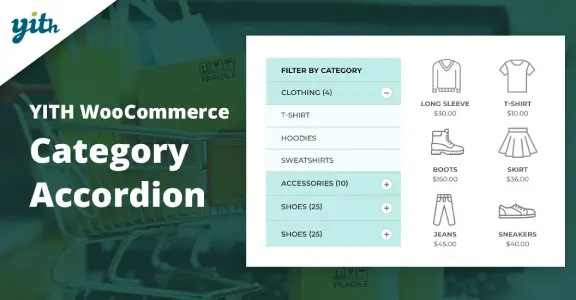

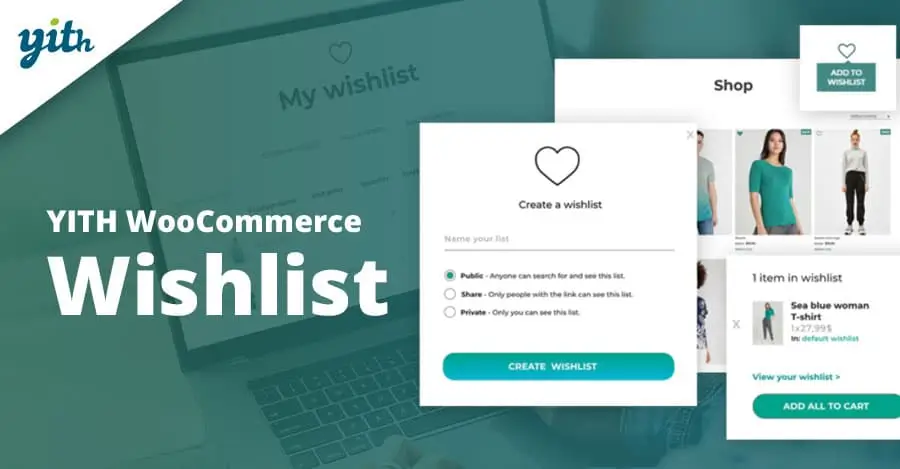





If you have spent any real time inside WooCommerce, you have probably run into YITH sooner or later. Not because the branding is everywhere. Because their plugins keep showing up in actual store builds.
That is the first useful thing to know about them.
This is not a lifestyle brand. It is a WordPress shop that went deep on one lane and stayed there: WooCommerce extensions. Their catalog currently lists 100+ plugins. Not one or two hero products. A full wall of modules for search, filters, bookings, subscriptions, wishlists, add-ons, reviews, brand taxonomies, B2B flows, and the little annoyances that appear once a store stops being a demo and starts taking orders.
I think that focus explains why the company is still relevant.
A lot of plugin vendors try to cover WordPress as a whole. Forms, SEO, popups, LMS, memberships, whatever sells. YITH stayed much narrower. If your shop runs on WooCommerce and you need a missing feature, there is a decent chance they already built it. If your stack is Shopify, Magento, or custom Laravel, they are irrelevant. Good. I prefer that kind of limitation to fake universality.
The best known product is probably the wishlist plugin. Fair enough. A wishlist is not sexy, but it solves a boring e-commerce problem that directly affects repeat visits. Their own docs and demos make it clear that this plugin is built around multiple wishlists, sharing, and campaign use cases, not just a heart icon next to a product card. That sounds small until you run a gift-heavy store, furniture catalog, fashion shop, or any niche where customers compare over days, not minutes.
Then you look at the rest of the catalog and the pattern becomes obvious.
Ajax Search. Ajax Product Filter. Booking and Appointment. Subscription. Product Add-ons. Frequently Bought Together. Review for Discounts. Brands Add-On. None of this is exotic. Nothing shocking on paper. That is exactly why it matters. These are the features merchants keep asking for after launch, when the “basic WooCommerce site” meets actual customers.
The good part is coverage.
The less fun part is also coverage.
Once a company has more than 100 extensions, the catalog stops feeling elegant. It starts feeling like a parts warehouse. You need to know what you are looking for. Some plugins solve very specific store problems. Some overlap in ways that are obvious only if you already understand WooCommerce architecture. Beginners can buy the wrong thing, or buy too much, or stack five plugins to solve one process that should have been mapped first on paper.
Still, I would rather deal with that than with vendors selling one bloated “all-in-one” monster.
Another point in their favor: they visibly maintain the stuff. Their public update pages show ongoing compatibility work with recent WooCommerce and WordPress releases. That sounds boring. It is not. In plugin land, a changelog line like “support for WooCommerce 10.4” is worth more than a polished homepage paragraph. If you manage stores for clients, you learn to trust update discipline faster than marketing language.
Their documentation footprint is also not fake. Product docs exist for core plugins. Support articles exist. Demo installs exist. That reduces guessing. It also tells you what kind of company this is: not a “buy and pray” vendor, but not hand-held consultancy either. You are expected to work like an adult. Read docs. Test on staging. Understand hooks, templates, conflicts, and the usual WordPress mess.
So who is this for?
Agencies building WooCommerce sites repeatedly. Freelancers who need a known plugin stack instead of custom-building every wishlist or booking flow from scratch. Store owners who have outgrown vanilla WooCommerce but are not ready to fund custom development at every turn.
Who is it not for?
People who want one plugin to fix strategy, UX, conversion, site speed, and bad merchandising. Plugins do not do that. Also not great for users who hate assembling systems from modules. This ecosystem assumes you can choose, combine, and configure.
My honest read: YITH is strongest when you use it like a toolbox, not like a religion.
Pick one clear problem. Search. Filtering. Booking. Wishlists. Add-ons. Solve that problem. Test it under your actual theme, product data, and checkout flow. Then decide if you need more. If you approach the catalog that way, the brand makes sense fast.
If you expect magic, you will be disappointed.
If you need battle-tested WooCommerce building blocks, YITH is usually worth checking before you commission custom work. Not because everything they make is glamorous. Because most of it is aimed at problems stores really have. And in e-commerce, boring software that keeps fitting real jobs is often the better bet.